English| EUR
Suggested for you
More currencies
Choose a language
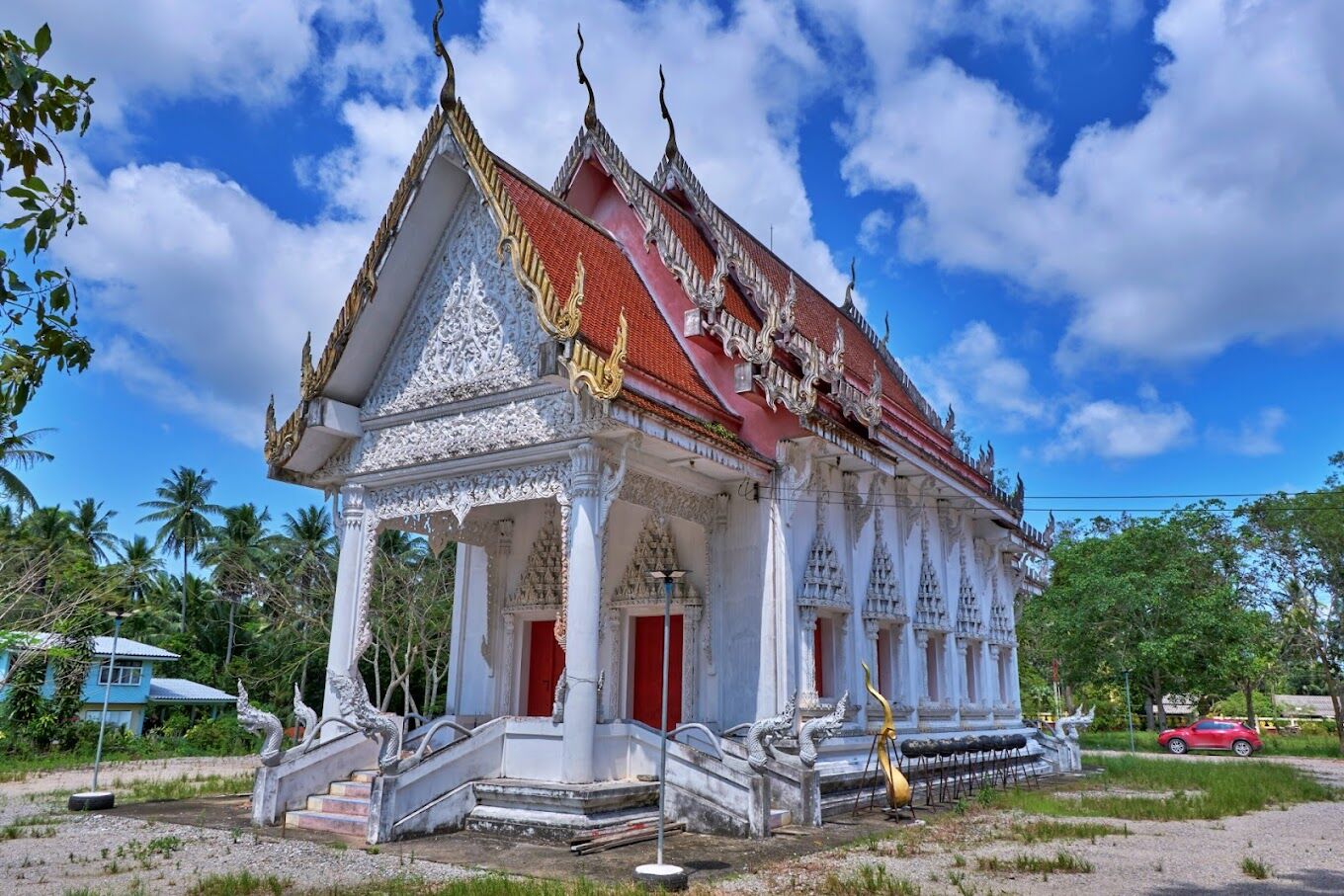
Wat Bang Phra sits in rice-field country west of the capital, in Nakhon Chai Si District, and it is where the sacred yantra tradition draws the most foreign visitors. This sak yant tattoo bangkok temple guide sets out what the site actually is, what it costs to enter, and the single day each week that catches travellers out.
Quick answer
It stands at V6X6+8MG, Bang Phra, Nakhon Chai Si District, Nakhon Pathom 73120, Thailand, roughly an hour west of central Bangkok. The best arrival window is 08:00–10:00, since queues for blessings build through the morning.
The tradition here is older than the ink. Monks at Wat Bang Phra apply yantra designs with a long steel rod called a khem sak, guided by hand rather than machine, and the marks are treated as blessings carrying specific protections rather than as decoration. Each design — the five-line ha thaeo, the twin tigers of the suea koo, the gao yord with its nine peaks — carries its own recitation and its own set of moral precepts the wearer is expected to keep afterwards. That obligation is the part most visitors underestimate. What makes this particular sak yant tattoo bangkok temple different from the studios advertising along Khaosan Road is that nothing about it is arranged for tourism. It is a working monastery in Nakhon Pathom province, and the room where the ajarn works is shared with Thai devotees who have travelled from across the country. Visitors sit on the floor. They wait their turn. There is no counter, no menu of designs, and no guarantee that a particular monk will be available on a given day. The design is often chosen for the recipient rather than by them. The wider context is the annual Wai Khru festival, held each March, when thousands return to have their yantras recharged and some enter the trance state known as khong khuen. Outside that weekend the grounds are quiet, and the temple functions much as any provincial wat does — a bot, a cluster of shaded pavilions, dogs asleep in the heat. Travellers researching Thai temple traditions or a Bangkok sak yant blessing should understand that a visit is closer to attending a religious service than to booking an appointment. Practically, this shapes the planning. Nakhon Chai Si is outside the city's rail network, so the journey needs arranging in advance, and the closed day means a wasted afternoon for anyone who assumes a seven-day week. Bring an offering — cigarettes, flowers, incense, a small donation — as is customary. Dress to cover shoulders and knees. Decide beforehand whether a permanent mark under a monk's precepts is something to commit to, because the decision is not one to make in the queue. A visit to the sak yant tattoo bangkok temple rewards preparation more than spontaneity, and the sections below cover the schedule, costs, timing, route and conduct in detail.
“The design is often chosen for the recipient rather than by them.”
Wat Bang Phra does not charge an admission fee for entering the temple grounds. Costs associated with Sak Yant tattoos are considered customary donations rather than fixed commercial prices.
Verdict: Visitors typically provide a small monetary donation for a tattoo, though the exact amount is at the discretion of the individual.
The best arrival window for Wat Bang Phra is 08:00–10:00. Arriving early is essential to avoid long queues for blessings and ceremonies.
—
Visiting on weekdays provides the quietest atmosphere for those seeking tattoos or blessings.
—
Expect significant queues as local devotees and visitors arrive in higher numbers.
Hot and humid
The annual tattoo festival draws thousands of participants and is exceptionally crowded.
Verdict: Arrive between 08:00 and 10:00 on a weekday to navigate the daily queues effectively.
Wat Bang Phra is an active monastery, not a tattoo studio, and the ajarn who applies sak yant is a monk bound by monastic rules. Conduct that reads as casual elsewhere can end a session or cause visible offence here.
Everything you need to know about sak yant tattoo bangkok temple
Visitors should dress modestly by covering their shoulders and knees when entering the sacred space. You may also want to research the history of Buddhist amulets and spiritual protective markings, often referred to as yantra, to better understand the environment.
The ceremony involves a ritual blessing by a master using a metal rod or bamboo stick to apply spiritual designs. This process is deeply rooted in Thai culture and serves as a form of spiritual protection for the recipient.
Maintaining a respectful demeanor is essential while on the premises, as this remains a functioning center for meditation and spiritual practice. Refrain from loud noises and follow the guidance of the resident monks and masters regarding photography and sacred areas.